Partners
: Work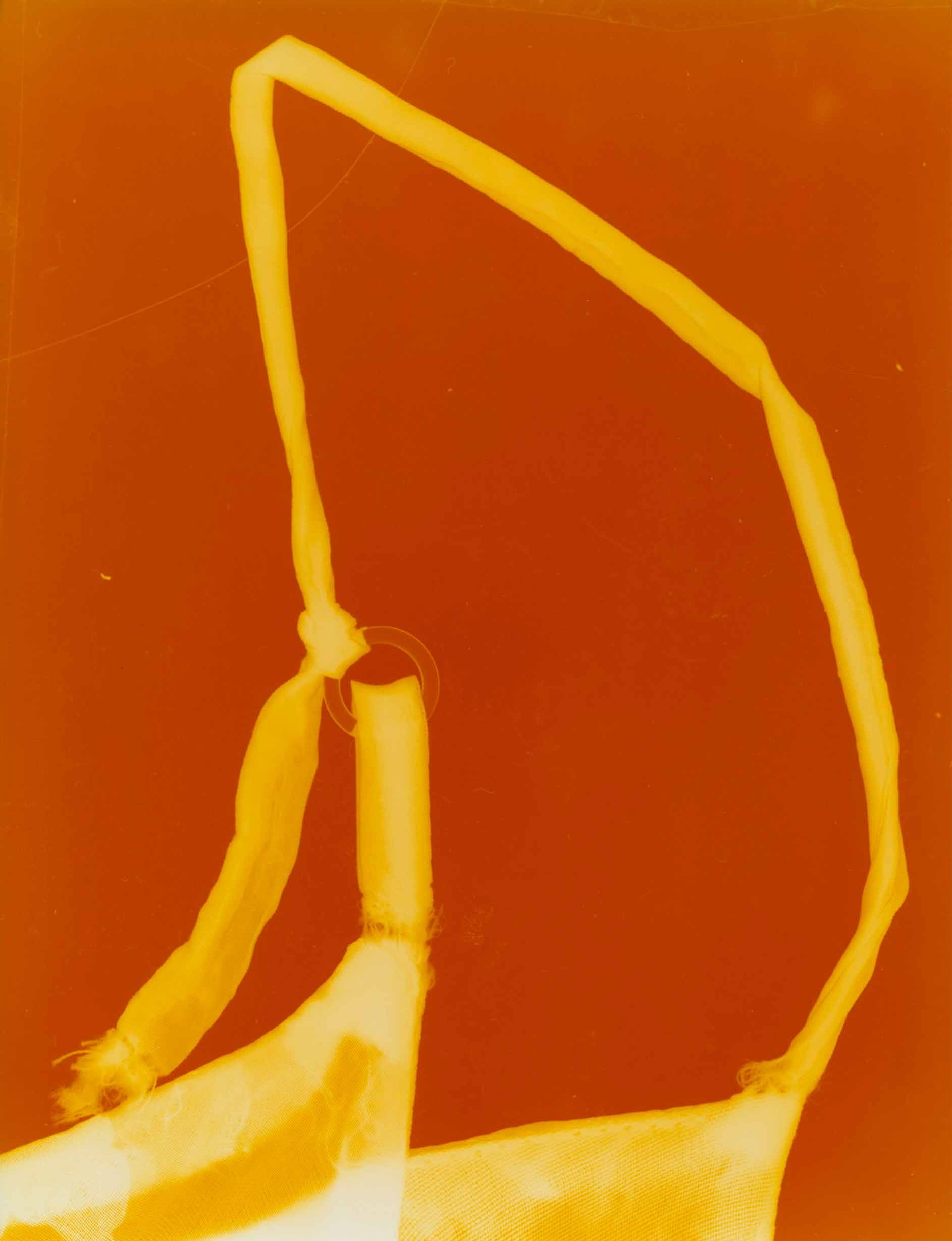


The Memories and Stories Things Carry
Built in Japan’s ancient wooden architectural style and designated an Important Cultural Property, Ise Jingu (Ise Grand Shrine) is reconstructed every 20 years. Time after time, the plans have been redrawn and small adjustments are introduced—for over a thousand years. As a result, its appearance is somewhat different from the original structure.
Some methods of preservation leave things untouched, keeping them ‘as they are.’ Others, like Ise Jingu, preserve by tracing the same form and renewing it over time. Perhaps the former could be called a static archive (preservation), and the latter a dynamic archive (transmission).
Let’s move from shrines to clothing. Tokyo has many vintage shops. Vintage garments are clothes that carry the traces of one, or sometimes several, previous owners. Seeing pilling on the left elbow of a sweater might make you wonder if the person was left-handed. When a faint scent of perfume lingers
at the collar, you might think, Maybe it was worn on dates. If the top button has become loose, you imagine: They must have fastened it all the way up—a rather proper person. Sometimes, you also come across decades-old garments that look almost new, evidence of how carefully they were once treated. Observing them in this way, it becomes clear that clothing holds the shapes of its former owners’ lives. In that sense, garments may be said to be a medium that remembers—and records—personal lives more vividly than other media.
Rebekka Deubner has a series titled Strip, focused on the clothing left behind by her late mother. Using the photogram technique, she first
records the garments as they were, wears them herself, and finally shares them with her mother’s relatives and close friends. The work traces this process—from preservation to circulation.
“After her death, my mother’s clothes became relics of her hollowed-out body. She left traces of wear—odours, stains, darning, holes—across the textiles, marking them with vivid shapes. The Strip series revolves around the body, its filial memory and its metamorphoses. I see photography as a restorative act, and approach the materiality of an image as a possible form in the face of absence. Playing with my mother’s wardrobe, using both video and photograms, I slip into her skin in every possible way as a means to inhabit her presence.”


Photography by Rebekka Deubner Text by Takuhito Kawashima
PARTNERS #4
What do you follow?